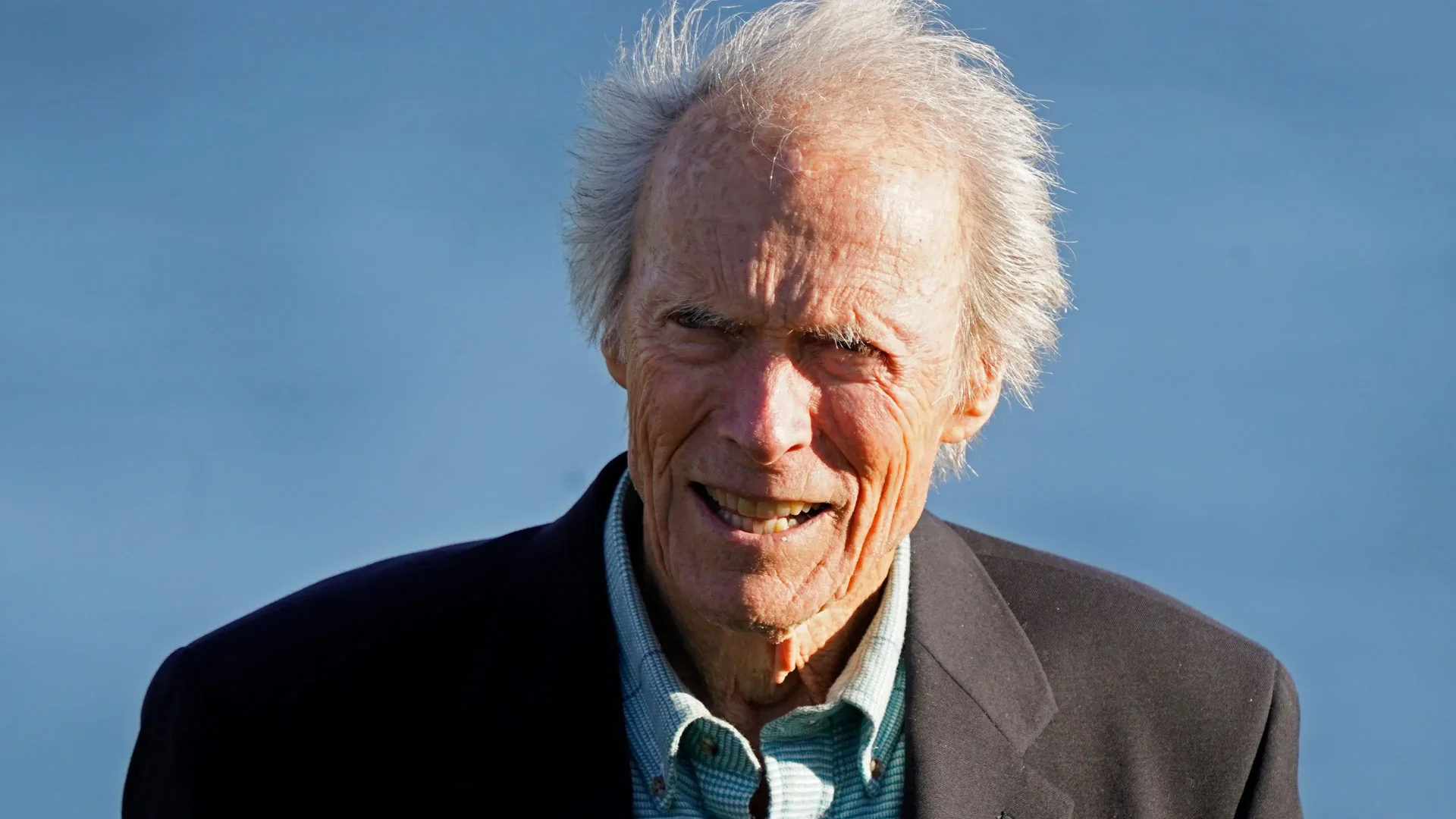
At 96 years old, Clint Eastwood shattered our comfortable illusions about aging and refused to sweeten the hard truth.
In a recent speech, he explained how the body changes over time. Bones become less flexible, movements slow down, and bright light can bother the eyes. Even breathing can require more effort. And that was just the beginning.
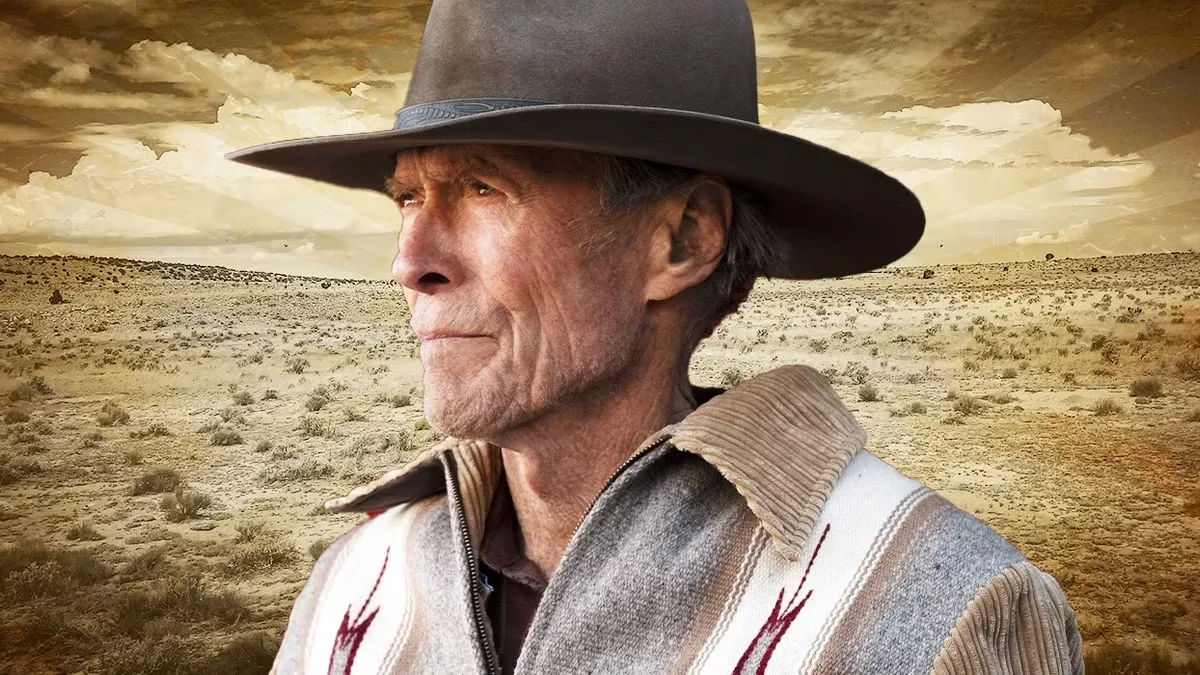
He brought his unmistakable toughness to a topic most people avoid. He made no comforting remarks about the golden years being full of endless peace.
Instead, he painted a rough and relentless picture of what happens when a person approaches a century of existence.
"Light hurts your eyes, and even breathing can feel like hard work," Eastwood shared, describing the constant friction of a diminishing physical body. "Your body just doesn't cooperate the way it used to, and every step requires a strategy."
But as he emphasized, the structural deterioration of the skeleton and muscles is only the surface of the problem.
The real burden of extreme old age is emotional and psychological in nature. Once you pass ninety, your social world undergoes a profound and often painful transformation.
You look around and realize that most of the people you knew in your youth, those who shared your story, your inside jokes, and your life struggles, are gone.
The circle of familiar faces shrinks to almost nothing, the phone stops ringing, and the rhythm of your days slows so much it almost stops. The bitterest pill to swallow is not the physical pain but the sudden absence of someone who really wants to listen to you.
When the present moment becomes still and mysterious, the human mind seeks refuge in the past. Eastwood explained that navigating old memories is not a sign of mental weakness but a vital search for continuity.
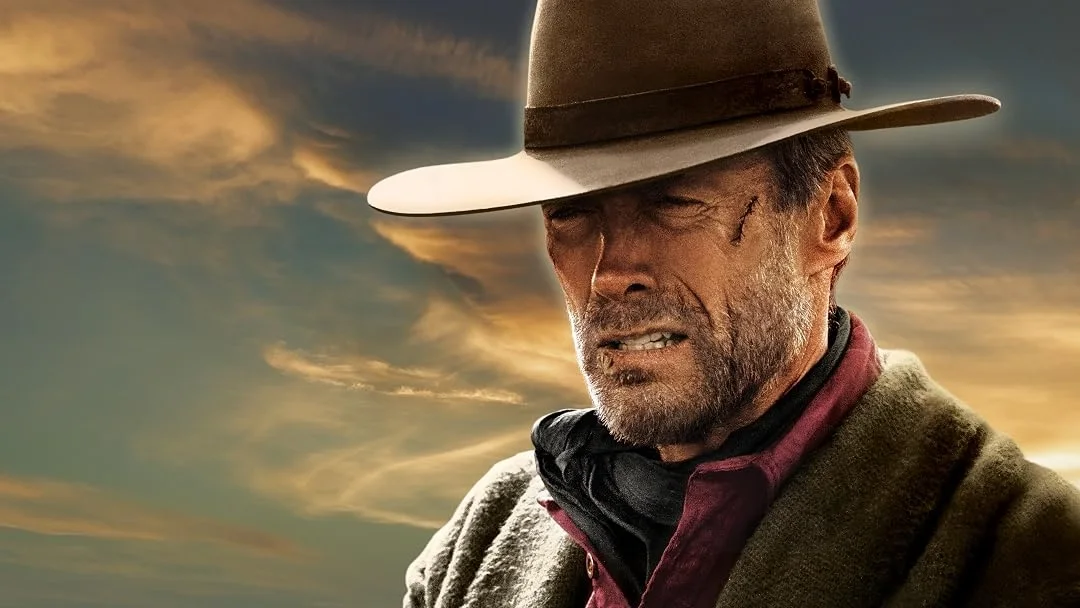
That's why older people repeat the same anecdotes so often, adding little details and returning again and again to the same topics. They don't do it to enrich or dominate the conversation. They do it to anchor themselves in a reality where they were active, loved, and relevant.
"You catch yourself repeating stories, adding details, not to convince someone but simply to feel that you're still connected to something," Eastwood admitted. "You try to pass things on to the younger generation, even when you can see the boredom in their eyes."
We live in a culture that treats longevity as a trophy and congratulates people out of politeness while completely ignoring the overwhelming loneliness that comes with that survival.
We praise the bright ones, the quick ones, and the hyperconnected, leaving absolutely no room for the slow pace of the very old.
Clint Eastwood may be a film giant, but his words speak for every anonymous old person who lives around the corner or sits at our family table.
They are the living libraries of our history and carry stories that have shaped the world we walk in today. When we choose to slow down, set aside our distractions, and really listen to them, something meaningful happens. We close the gap between generations.
Ultimately, the wrinkles in their faces are not just signs of sadness. They are a beautiful map of a life lived to the fullest, and it's a privilege to sit beside them and listen to the journey.