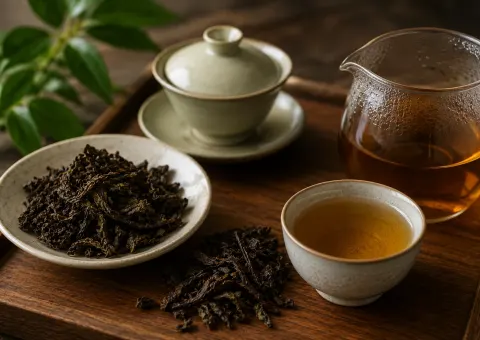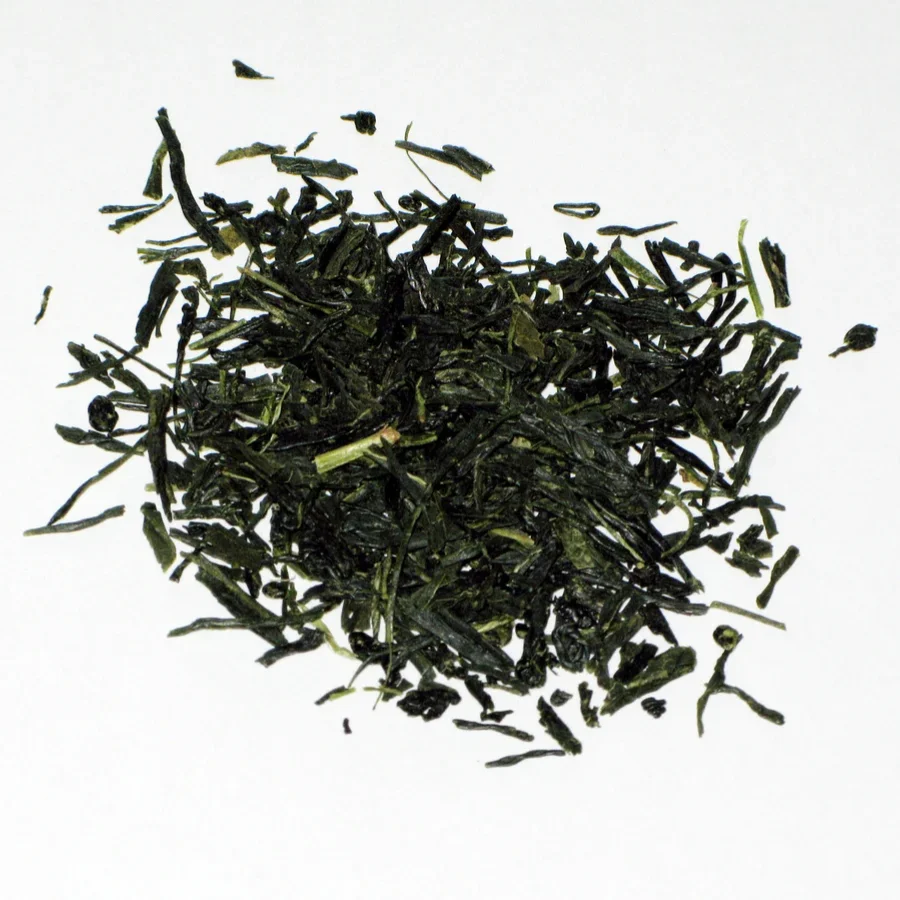
When tea plants are deprived of sunlight for three to four weeks, something remarkable happens inside every leaf. The plant, sensing the loss of light, floods its leaves with amino acids in a desperate attempt to capture every photon available. The result is not a stressed, sickly plant. The result is Gyokuro.
What Shading Does to a Tea Leaf
Light is the engine of photosynthesis, and tea plants exposed to full sun convert their amino acids into catechins, the sharp bitter compounds that give everyday green tea its familiar astringency. Remove the sun and you remove the conversion. The amino acids stay, accumulating in the leaf in concentrations that would otherwise never exist.
The dominant amino acid that builds up is L-theanine. This is the compound responsible for the sweet, brothy, oceanic depth that tea lovers call umami. It is also the compound associated with calm alertness when combined with caffeine, since L-theanine modulates the stimulating effect of caffeine without sedating you.
The Grades of Shade
Not all shade-grown tea is equal. The method and duration of shading create a spectrum of styles.
Gyokuro sits at the top. Named "Jade Dew" in Japanese, it is shaded for three to four weeks before harvest, typically using traditional straw or reeds, and later using synthetic black netting. The resulting tea is extraordinarily sweet, deeply savory, and almost entirely devoid of bitterness when brewed at low temperatures.
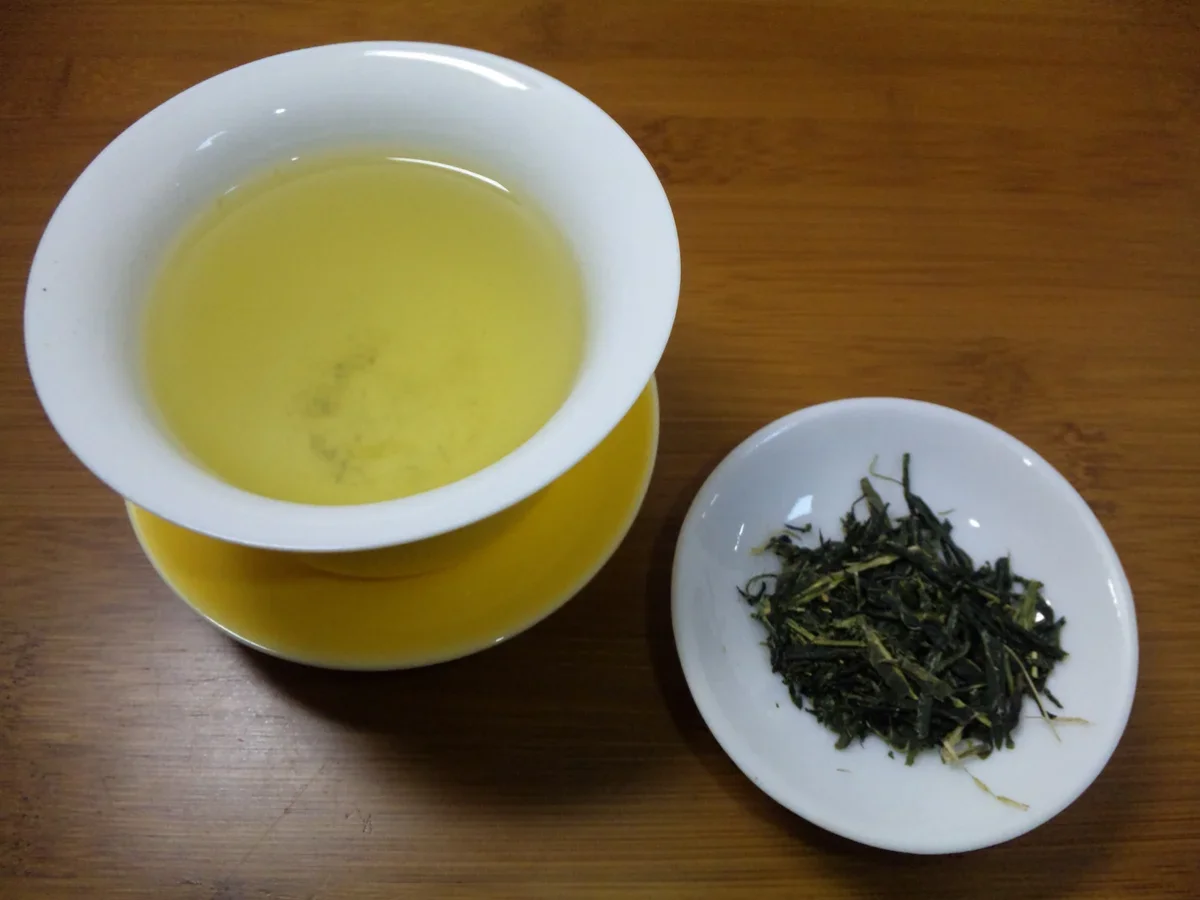
Kabuse-cha is the middle grade. Shaded for only one to two weeks, it picks up some of the sweetness of Gyokuro but retains more of the brightness of an unshaded green tea. Many serious tea drinkers consider it the best value in shade-grown tea because it requires less precision in brewing.
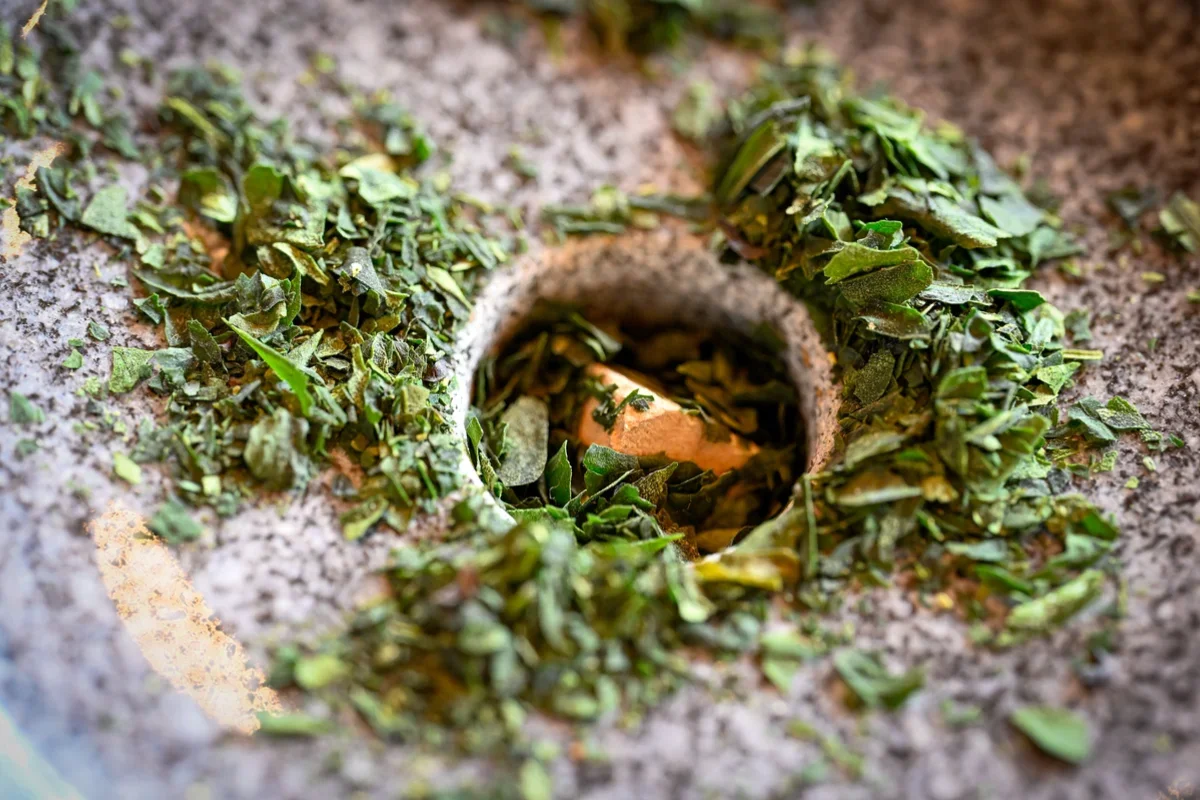
Matcha is made from a leaf called Tencha, which is also shade-grown for three to four weeks. But where Gyokuro is rolled into needles and steeped whole, Tencha is deveined, destemmed, and ground into a fine powder on stone mills. When you drink matcha, you consume the entire leaf, making the amino acid content available at full concentration.
Why Brewing Temperature Matters More Than You Think
Amino acids and catechins dissolve at different rates in hot water. Catechins, the bitter compounds, need high temperatures to fully extract. Amino acids extract at lower temperatures and extract easily. This is why shade-grown teas are brewed cooler than most green teas.
For Gyokuro, the traditional recommendation is 50 to 60 degrees Celsius with a short steeping time of 30 to 90 seconds. At this temperature, you extract the amino acids freely while leaving most of the catechins locked in the leaf. The result is intensely sweet and savory with almost no bitterness.
If you brew Gyokuro at 90 degrees as you would an ordinary sencha, the catechins extract fully and the tea becomes aggressively bitter. The shading did its job. The brewing undid it.
A Geography of Shade
The most celebrated shade-grown teas come from specific regions. Uji in Kyoto Prefecture is considered the heartland of Japanese shade-grown tea. The local soil, the morning mists from the river valleys, and centuries of cultivation knowledge produce Gyokuro and matcha of exceptional quality. Yame in Fukuoka Prefecture is another major center, and the competition between these two regions drives quality standards upward.
Tea farmers in Uji have passed down specific shading techniques for generations. The angle at which the netting is positioned affects the exact quality of light that reaches the plants. Too dark and the leaves suffer; too bright and the amino acid accumulation slows. The farmers adjust day by day as harvest approaches.
Sources
Wikipedia, Gyokuro: https://en.wikipedia.org/wiki/Gyokuro
Wikipedia, Kabusecha: https://en.wikipedia.org/wiki/Kabusecha
Wikipedia, Tencha: https://en.wikipedia.org/wiki/Tencha
Wikipedia, L-Theanine: https://en.wikipedia.org/wiki/Theanine