The ancient Greeks were very clear about one thing: humans were not made by Zeus.
They were made by Prometheus.
Prometheus was a Titan, one of the older divine beings who existed before the Olympians came to power. According to the most widely told version of the myth, he shaped the first humans from clay, molding them in the image of the gods. His brother Epimetheus was supposed to give each creature on earth a gift: speed for the deer, strength for the ox, thick fur for the bear. By the time he reached humans, he had nothing left to give.
Prometheus intervened.
The Fire That Changed Everything
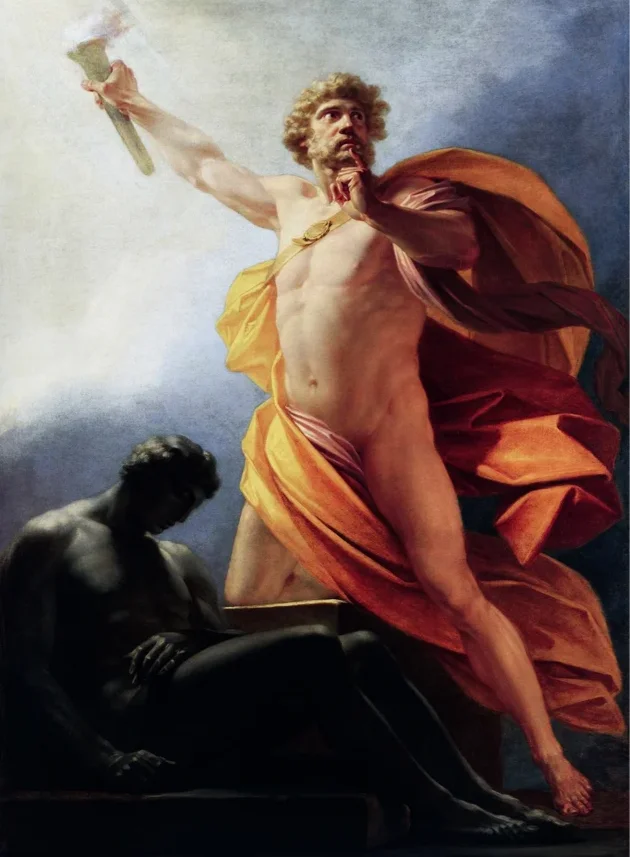
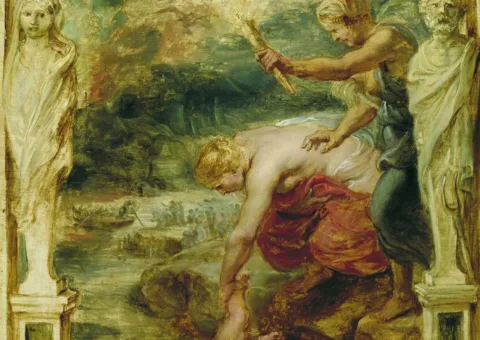
He climbed to Mount Olympus, lit a torch from the sun, and carried fire down to mankind.
This was not a small theft. Fire was the technology that separated the gods from everything else. With fire, humans could cook food, forge metal, stay warm through winter, and build settlements that lasted. Prometheus gave humanity the capacity to survive, and eventually, to thrive.
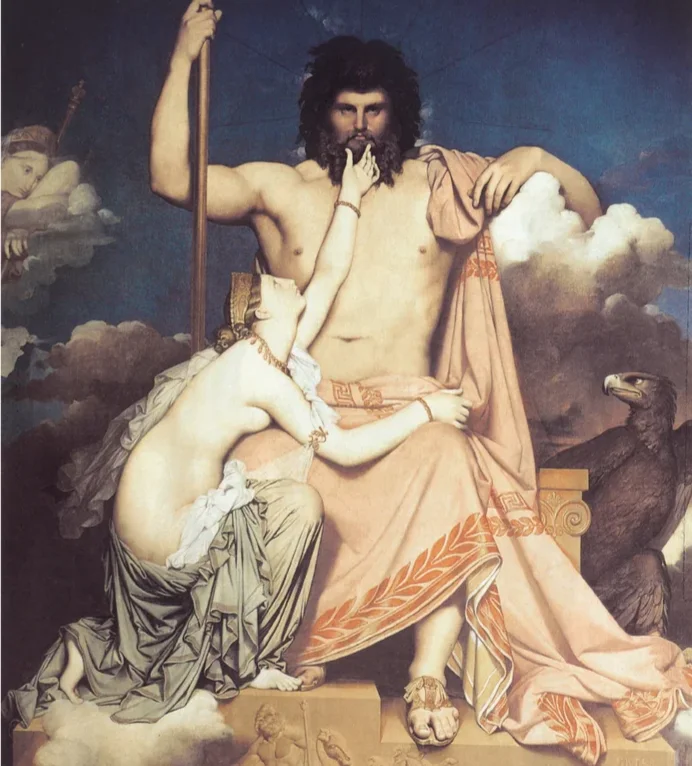
Zeus was furious.
The Price Prometheus Paid
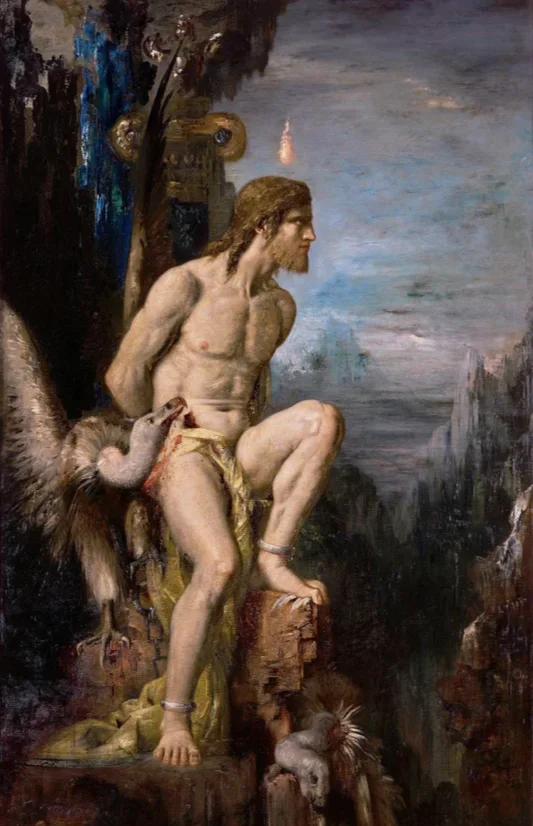
Zeus ordered Prometheus chained to a rock in the Caucasus Mountains. Every morning, an eagle would come and tear out his liver. Every night, the liver would regenerate. The next morning, the eagle would return.
This was not punishment designed to end. It was designed to last forever.
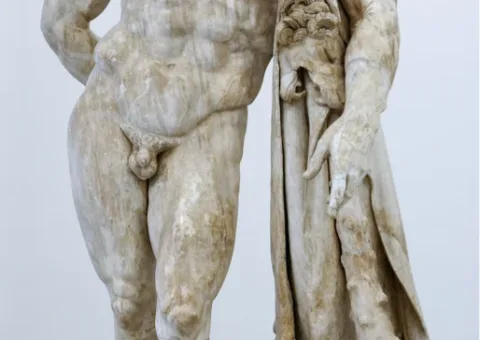
For thousands of years in the myth, Prometheus hung there, the wound opening and closing on a daily cycle, paying for the moment he carried fire down from the mountain. It was only Heracles who eventually freed him, and only after Zeus gave his reluctant permission.
The punishment tells you everything about how Zeus viewed the act. This was not a minor theft. This was a disruption of the divine order. Humans were not supposed to have fire. They were supposed to remain limited, dependent, mortal in every sense of the word.
Pandora: Zeus Shapes What Humanity Becomes
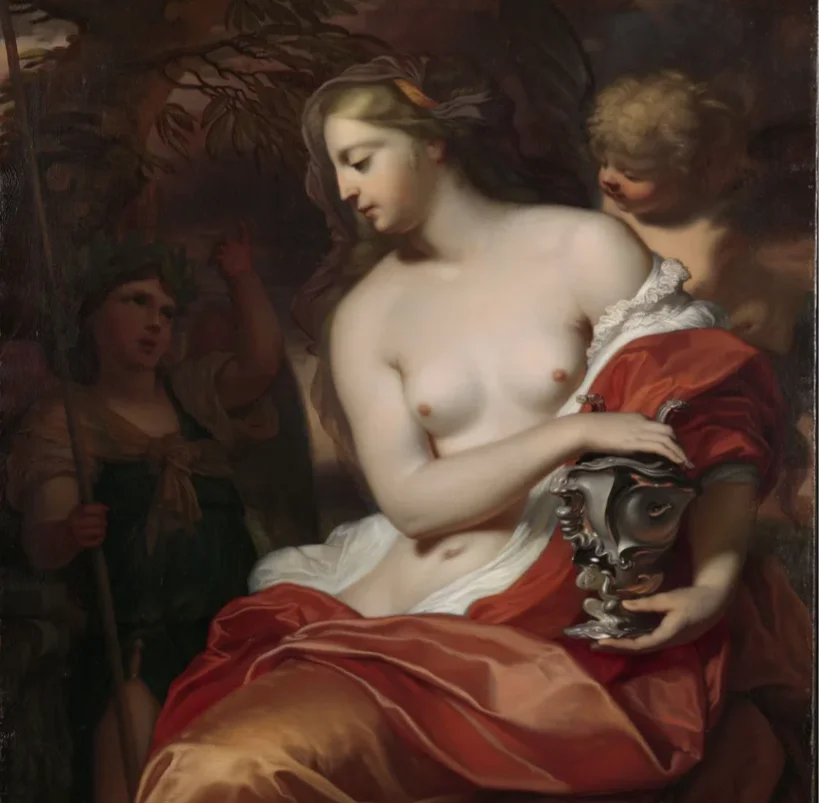
Having punished Prometheus, Zeus turned to the question of humanity itself. If he could not undo what Prometheus had done, he could at least shape what human life would feel like.
He created Pandora, the first woman in some versions of the myth. She was given every gift by the gods: beauty, intelligence, skill, curiosity. And she was sent to Epimetheus with a large sealed jar.
You know what happened next. The jar was opened. Out came disease, old age, envy, grief, madness, and all the suffering that makes human life difficult. Pandora slammed the jar shut, but only one thing remained trapped inside.
Hope.
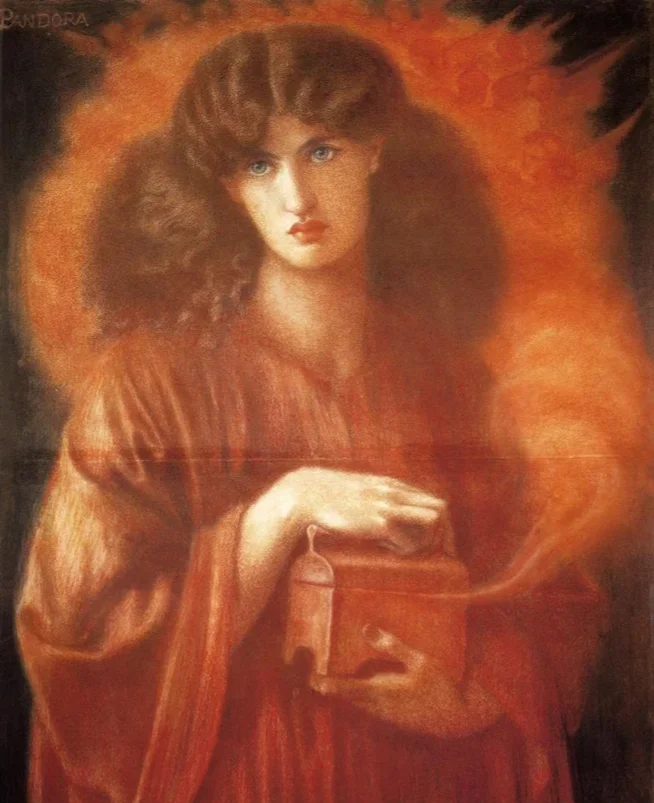
Whether that was cruel or kind depends entirely on how you read the myth. Some see it as Zeus leaving humanity with just enough reason not to give up. Others see it as the cruelest detail of all: hope keeps humans enduring a life full of suffering that they might otherwise refuse to continue.
The Flood and the Reset
Zeus also sent the great flood. Human civilization had grown loud and corrupt and Zeus decided to wipe most of it away. Only Deucalion and his wife Pyrrha survived, by building a great chest and riding out the waters. When the flood receded, they repopulated the earth by throwing stones over their shoulders that became new people.
The world started over. Under terms Zeus found acceptable this time.
What Zeus Actually Did
Zeus did not create humans. But the Greek myths credit him with shaping the conditions of human existence more than any other figure.
Prometheus gave humanity the possibility of civilization. Zeus gave humanity its limitations: suffering, mortality reinforced by the contents of Pandora's jar, the constant threat of divine correction if things went too far. The two forces between them explain a worldview that is still recognizable: we have the capacity to do remarkable things, and we live with consequences we did not choose.
The Greeks did not build a mythology about a benevolent creator who wanted his creation to flourish. They built one about a complicated, jealous, powerful god who tolerated humanity's existence as long as it stayed in its place, and a defiant Titan who thought the humans deserved better.
That tension never quite resolved. In the myths, it never does.
Sources
Wikipedia: https://en.wikipedia.org/wiki/Prometheus
Wikipedia: https://en.wikipedia.org/wiki/Pandora
Wikipedia: https://en.wikipedia.org/wiki/Deucalion
Wikimedia Commons: https://commons.wikimedia.org/wiki/Category:Prometheus