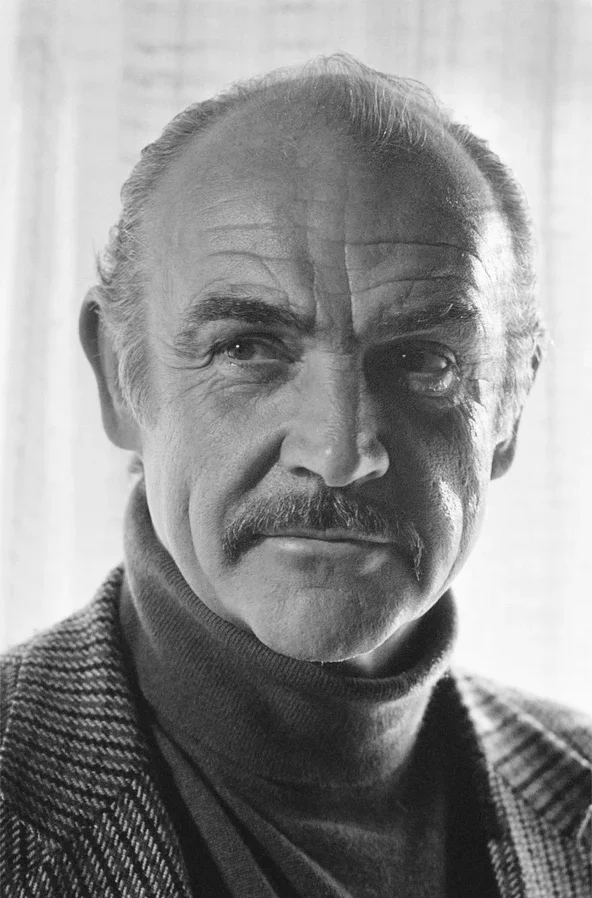
In the late 1980s, with the Cold War still at full tension, Sean Connery was cast as Marko Ramius in The Hunt for Red October: a Soviet submarine commander who decides to defect to the West, a man carrying the weight of an entire world on his shoulders.
He said he could not play that man until he understood what it felt like to live inside a steel tube hundreds of meters beneath the ocean surface. Without sunlight. Without open air. For months.
And so he did something no Hollywood actor had thought to do before him.
The Honorary Commander
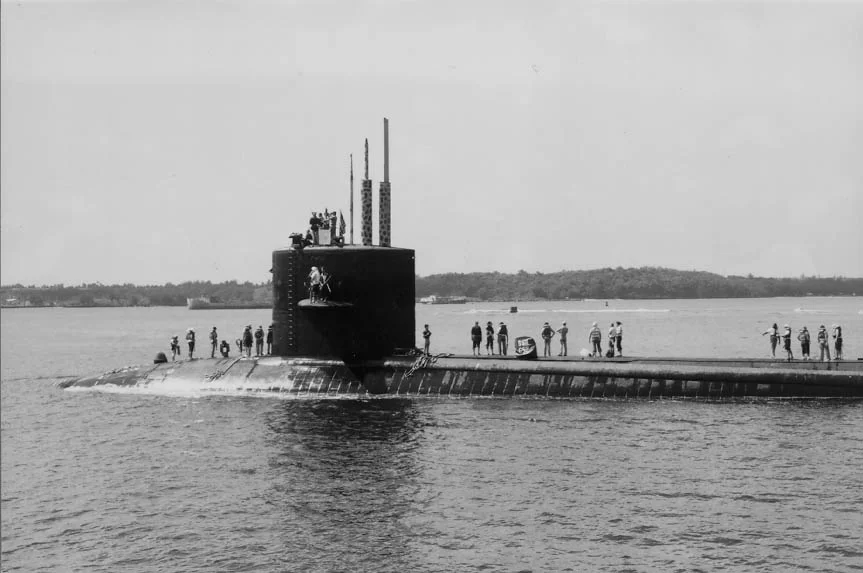
Connery requested permission to board a real American nuclear submarine: the USS Puffer, a Sturgeon-class vessel of the United States Navy. He was not given a guided tour with a press officer.
He was given the honorary rank of commander.
That rank gave him the freedom to move through every compartment of the vessel, to speak directly with the men on duty without intermediaries, to ask whatever he needed to ask. He spent hours in the narrow corridors. He ate with them. He slept in their bunks.
What the Sailor Said
Then came the moment that stayed with him for the rest of his life.
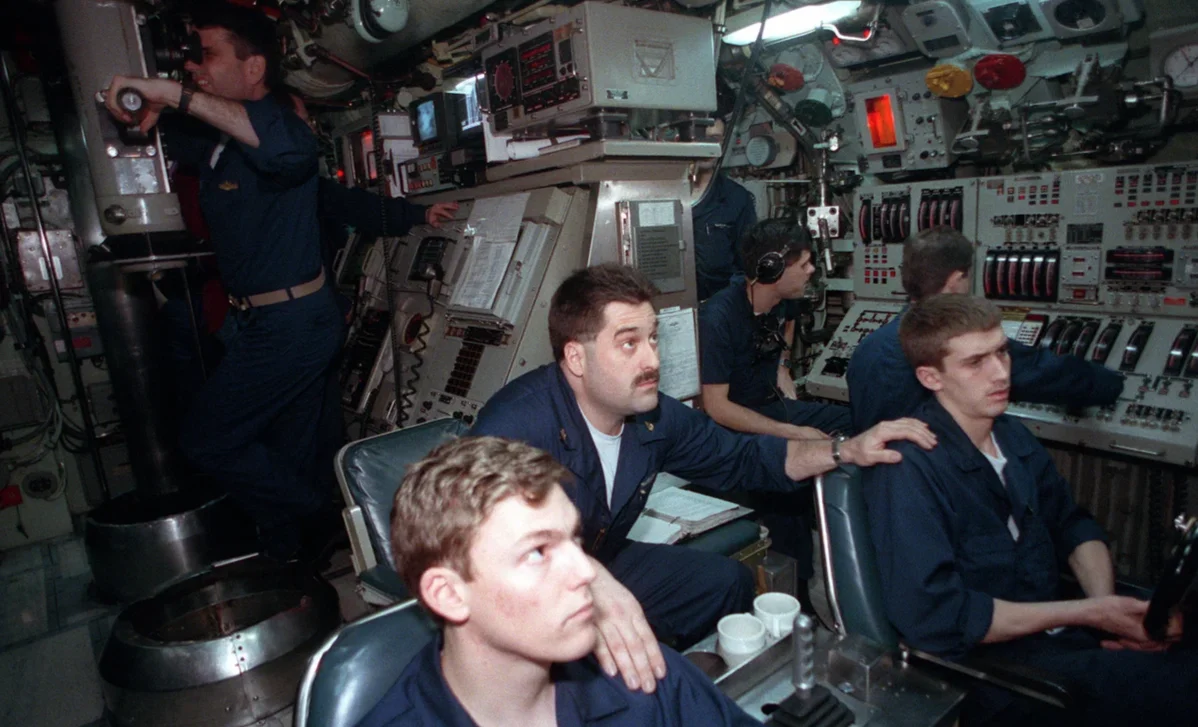
Standing in the control room, Connery turned to a young sailor and asked: "What goes through your mind when you are down here for months without ever seeing sunlight?"
The sailor answered: "You learn what it feels like to carry the weight of the world on your shoulders, sir. Because down here, this is all you really have."
Connery never forgot those words. They told him something essential about what command actually means at depth: not the projection of authority, not the display of rank. Deep trust. Quiet strength. Complete responsibility for the lives around you. That is what a submarine captain carries.
What He Brought Back to the Screen
The Hunt for Red October opened in March 1990 and became one of the most critically praised thrillers of its decade. What audiences registered in Connery's Marko Ramius was not a performance built from studied mannerisms. It was something harder to manufacture: the residue of actual experience.
Every gesture read as earned. The economy of his movements, the still authority behind his eyes, the particular quality of a man who knows exactly what and whom he is responsible for: none of that was assembled from research notes or acting theory. He had absorbed it standing on the deck of a real submarine, in conversation with men who lived it as their ordinary daily life.
A Rare and Serious Privilege
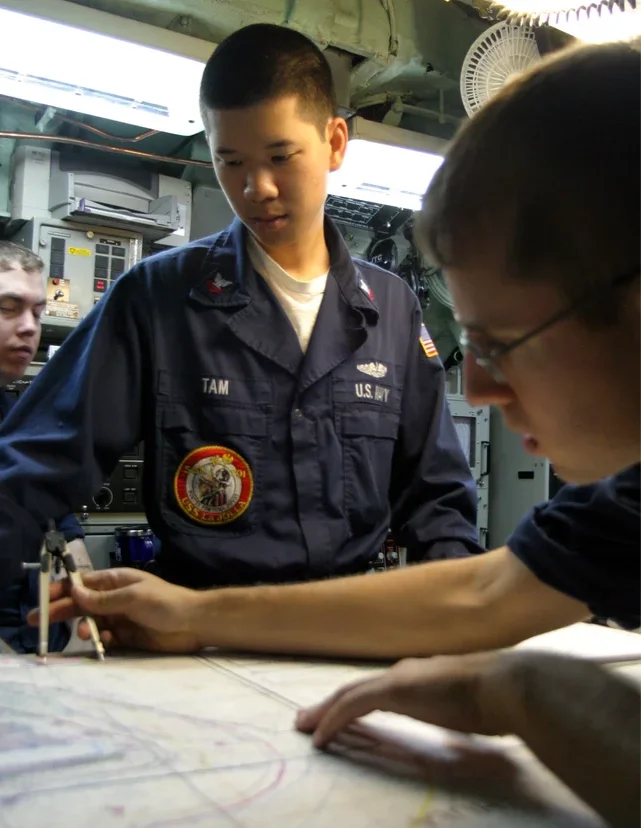
Connery understood exactly what he had been given. The political atmosphere of the late Cold War made any contact with a Soviet vessel completely impossible. The fact that the United States Navy had granted him access to a nuclear submarine, with the freedom to roam its compartments and speak with its crew, was a serious and unusual privilege.
He did not waste a single minute of it.
The Sturgeon-class submarines of that era were among the most capable and secretive vessels in any navy in the world. To walk their corridors, to eat at their tables, to understand from the inside what that kind of service asked of a person: this was material that could not be gathered any other way.
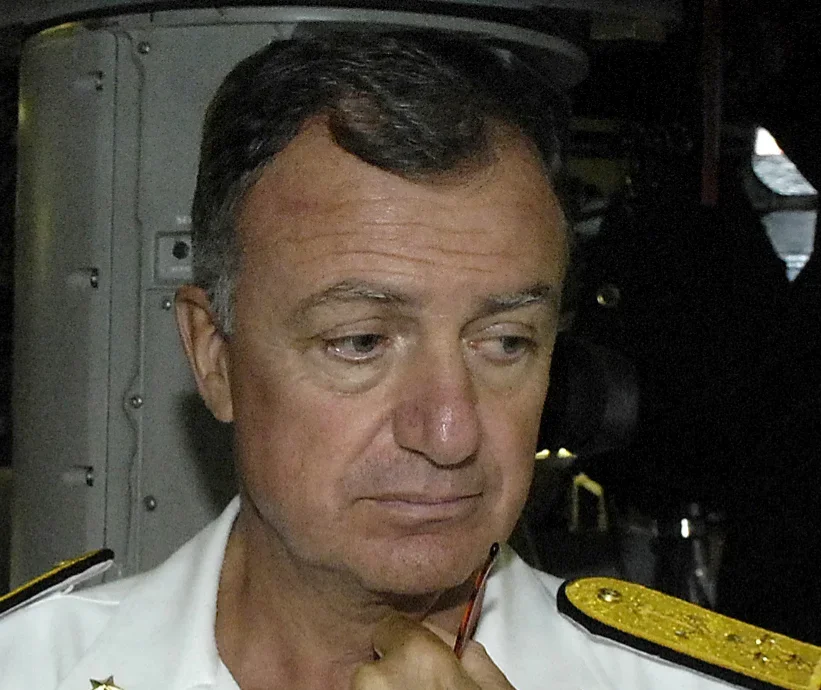
The Tribute That Nobody Planned
What Connery brought back from the USS Puffer became, without ever intending it, a tribute to the men who serve in silence beneath the ocean.
Their compressed patience, their particular kind of courage that has no visible expression, the weight that is carried daily without being shown: all of it reached the screen through a man who had been willing to go find it himself.
That is what it means to take a craft seriously. Not the performance. The truth behind it.
Sources
Wikipedia, The Hunt for Red October film: https://en.wikipedia.org/wiki/The_Hunt_for_Red_October_(film)
Wikipedia, USS Puffer SSN-652: https://en.wikipedia.org/wiki/USS_Puffer_(SSN-652)
Wikipedia, Sean Connery: https://en.wikipedia.org/wiki/Sean_Connery
Wikipedia, Sturgeon-class submarine: https://en.wikipedia.org/wiki/Sturgeon-class_submarine