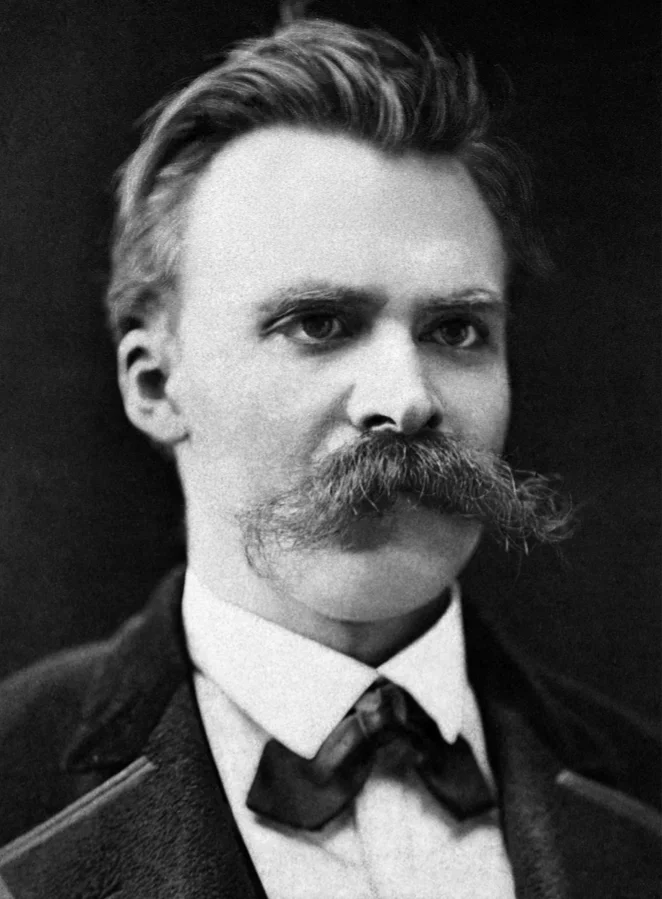
"All truly great thoughts are conceived while walking." Friedrich Nietzsche wrote this in Twilight of the Idols in 1889. He was not speaking metaphorically. He walked for hours every day, often in the mountains near Sils Maria in the Swiss Engadine, and considered walking essential to thinking. The idea that movement and thought are connected was not new to him. It had been the practice of philosophers, naturalists, and writers for centuries. Modern neuroscience has since confirmed what they discovered by experience.
Kant's Clock
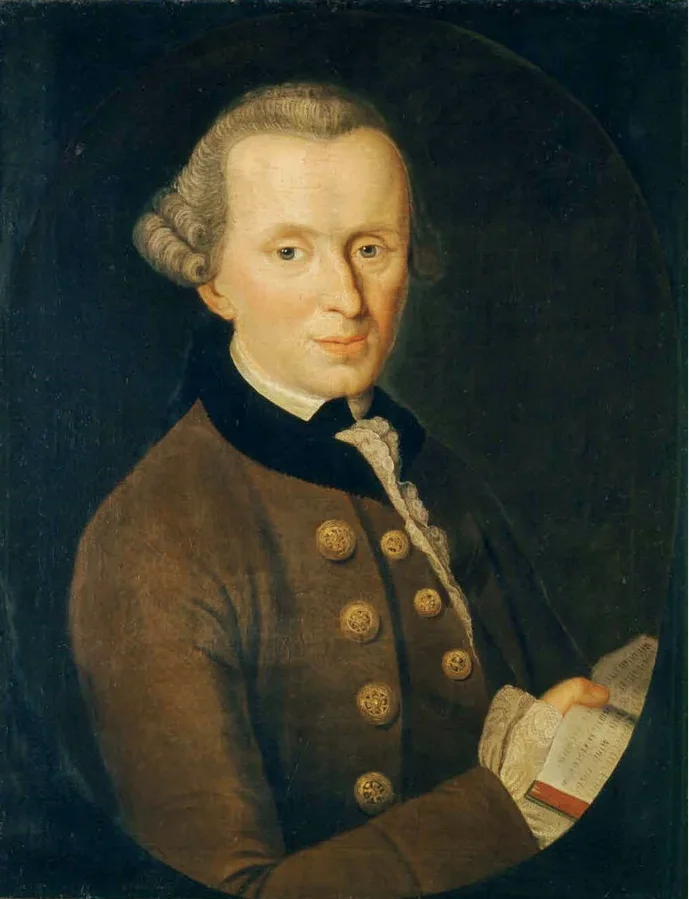
Immanuel Kant lived in Koenigsberg his entire life and left the city only twice. He was, by all accounts, a creature of extreme routine. Every afternoon at precisely 3:30, he left his house and walked the same route through town, known as the Philosopher's Walk. He walked alone, at a measured pace, for exactly one hour. His neighbors set their clocks by him. The only day he is said to have missed his walk was when he was so absorbed in reading Rousseau's Emile that he forgot to leave.
Kant's walking was not exercise in the modern sense. It was part of his thinking process. He held that the body and mind worked together, and that regular moderate movement sustained the clarity he needed for his philosophical work. His three Critiques, among the most demanding works in the history of philosophy, were composed during decades of this routine.
The Peripatetic Tradition
The word peripatetic comes from the Greek peripatein, to walk about. Aristotle taught while walking with his students in the covered walkways of the Lyceum in Athens. The Peripatetic school took its name from this practice. Whether Aristotle believed walking aided thinking or simply preferred teaching outdoors is debated, but the association of philosophical movement with walking is as old as Western philosophy itself.
Rousseau described his own dependence on walking in his Confessions: I can only meditate when I am walking. When I stop, I cease to think. My mind only works with my legs.
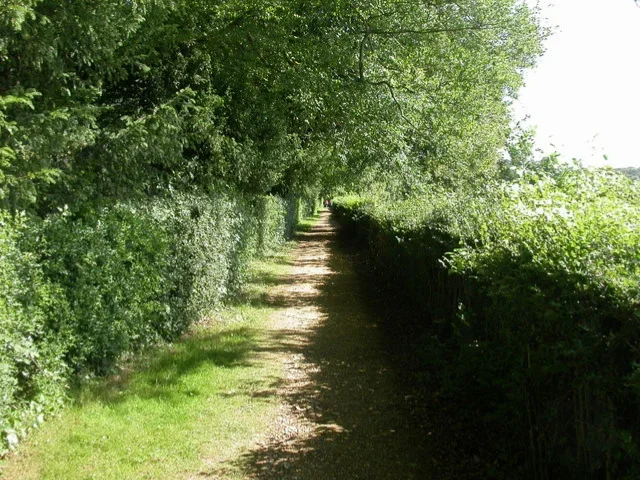
Charles Darwin had a gravel path built at his home at Down House in Kent specifically for thinking. He called it the Sandwalk and walked it every morning, counting laps with stones. Many of the ideas that became On the Origin of Species were worked through on that path.
What Walking Does to the Brain
The connection between walking and thinking is not mystical. It is physiological.
Walking is aerobic exercise. Aerobic exercise increases the production of BDNF, brain-derived neurotrophic factor, a protein that promotes the growth of new neurons and supports existing connections. The hippocampus, the brain region most closely associated with memory and learning, grows measurably in people who walk regularly. In people who are sedentary, it shrinks.
A Stanford University study published in 2014 by Marily Oppezzo and Daniel Schwartz tested creative thinking in walkers versus seated subjects. Walkers showed an average 81 percent increase in divergent thinking, the kind of open-ended, associative thinking involved in generating new ideas. The effect held whether the walking was on a treadmill facing a blank wall or outdoors. The movement itself, not the scenery, drove the effect.
Walking also shifts the brain into what researchers call the default mode network, the pattern of activity associated with mind-wandering, daydreaming, and making unexpected connections. This is the opposite of focused, convergent thinking. Many of the most valuable insights reported by scientists, writers, and mathematicians happen during the unfocused state, not the focused one.
What This Means Practically
The prescription is simple enough that it requires no equipment, no subscription, and no schedule beyond a half hour. Walk. Not toward a destination if possible. Without a phone if possible. Alone or in quiet company.
Nietzsche walked in mountains. Kant walked the same street every day. Darwin walked in circles on a gravel path. What they had in common was not the setting but the rhythm: sustained, moderate, undistracted movement that gave the mind something to do with the body while leaving it free to range.
The great thoughts, as Nietzsche put it, were not found at the desk. They were waiting on the path.
Sources
Wikipedia, Nietzsche: https://en.wikipedia.org/wiki/Friedrich_Nietzsche
Wikipedia, Kant: https://en.wikipedia.org/wiki/Immanuel_Kant
Wikipedia, Sandwalk: https://en.wikipedia.org/wiki/Sandwalk
Oppezzo and Schwartz (2014): Give Your Ideas Some Legs. Journal of Experimental Psychology. DOI: 10.1037/a0036577
Wikipedia, Peripatetic school: https://en.wikipedia.org/wiki/Peripatetic_school